“Change is inevitable. Growth is optional.”
– John C. Maxwell |
|
|
Every January, there is a specific kind of electricity in the air. It’s that “spirit of change” we all talk about. But let’s be honest: while messages tell us to “embrace change,” most of us find it absolutely overwhelming.
Between the global headlines—wars, economic shifts, and political divides—it’s exhausting. It’s easy to spend all your energy focused on the chaos outside you and completely neglect what’s happening inside you. We spend hours worrying about the changes we want to make and those about to happen, yet we spend almost zero time reflecting on how we are actually going to cope with them.
Change is Frightening (Even for Psychologists)
I’m right there with you. This year, I’ve made a massive shift. After 14 years of focusing my clinical energy in Markham, Ontario —working with incredible colleagues and clients —I’ve decided to move my practice entirely to Whitby and the Durham region. Even with my training, I’m not immune to the “What Ifs.” My brain has been a non-stop loop of legitimate, frightening questions: Will I have enough clients? Will I miss my colleagues? What if I get a bad review and it ruins my reputation?
Whether you’re a psychologist, a teacher, or a CEO, change triggers the same alarm system.
What if my students don’t like me? What if I can’t handle this new project? What if I lose my job?
These aren’t just thoughts; they are your brain’s way of trying to protect you. But left unchecked, they can paralyze you. Here are two strategies I use—and suggest to my clients—to navigate these storms.
1. Look for Evidence of Your Own Survival
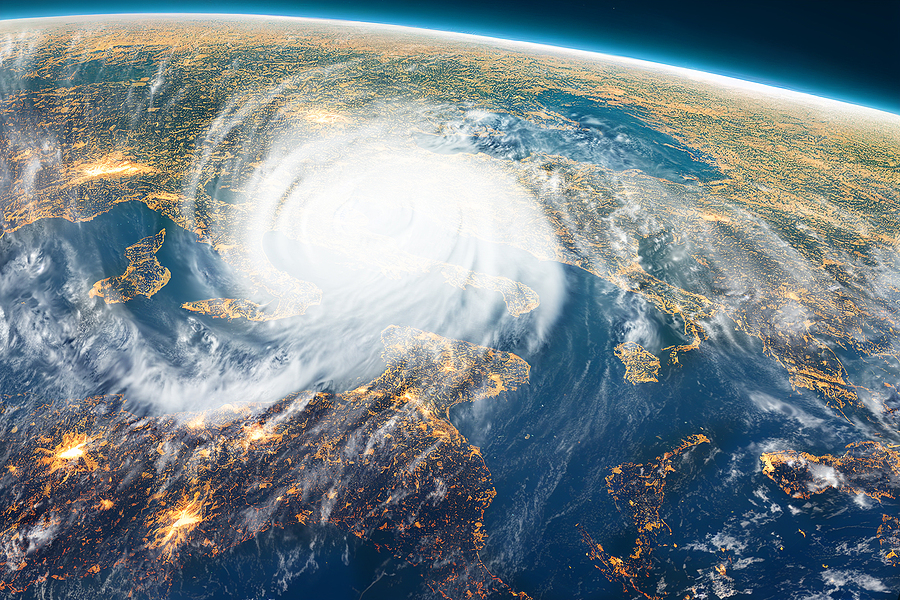
You have a 100% success rate of surviving your hardest days so far. No matter who you are, you’ve handled massive shifts before. Think back to your first day of high school—the sheer terror of not knowing what to expect. Or the first time you were laid off from work. Or perhaps you’re enduring the end of a marriage. Or look at 2020. The world stopped. Parents, students, and workers had no idea what life would look like. It was a global “category five” change forced upon us without a manual.
Yet, you found a way. Some people thrived, some just survived, and many are still dealing with the aftermath of illness or loss. But the point is: you handled it. Reminding yourself of your past resilience isn’t just “positive thinking”; it’s reviewing the clinical evidence of your own strength. When you reflect on how you coped back then, you find the blueprint for how to cope right now.
2. Be the Palm Tree, Not the Oak
Years ago, on the final day of my honeymoon in St. Marten, a hurricane hit. It was my first time facing that kind of natural force. I remember standing in the lobby, looking through the gaps in the boards the staff had used to cover the windows. I watched the palm trees. They were swaying, whipping around, and bending nearly to the ground as the wind slammed into them. But then I saw other trees—stiff, rigid, and unyielding. Those trees didn’t bend; they snapped like toothpicks.
The difference between survival and destruction was flexibility. To this day, I use that as a metaphor for mental health. When a massive change—a “Category 5” life event—comes at you, the worst thing you can do is stand rigid and fight it. Resistance, sometimes, causes injury. Instead, we have to learn to “bend.” Don’t waste your energy fighting the fact that the change is happening. Roll with it. Move with the force, let the wind pass over you, and once you find yourself on the other side, that’s when you stand tall and begin to rebuild.
If you’re feeling strong winds this January, stop fighting the gale. Look back at how far you’ve already come, take a deep breath, and remember: it’s okay to bend.
Stay resilient, Richard |
|
|
|
|
|
The Hurricane and the High Schooler: Navigating the Winds of Change