
Couples therapy & relationship support
Strengthen your connection, restore trust, and build the communication skills that keep relationships healthy for the long term.

AREAS OF SUPPORT
Areas we help couples navigate
Conflict Resolution & De-escalation
Learning to disagree without damage — replacing cycles of escalation with patterns of productive, respectful dialogue that actually resolves things.
Rebuilding Trust After Infidelity
A careful, structured process for both partners — acknowledging what happened, understanding why, and deciding together how to move forward.
Deepening Emotional Intimacy & Understanding
Going beyond the surface to build genuine connection — learning to communicate your inner world and truly receive your partner’s.
ON THE BLOG
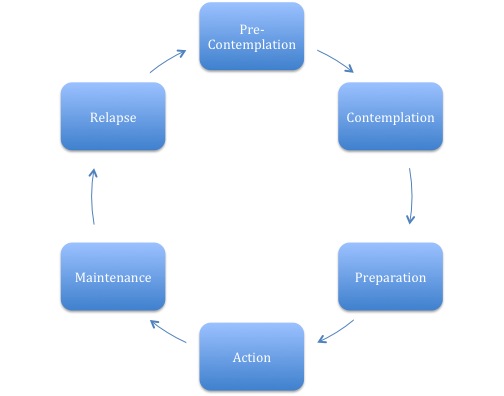
5 Stages of Change (Part 2)
One of the things that I’ve been working on changing has been daily exercise. Since childhood, I have always enjoyed physical activity. From playing organized sports to individual activities such as walking, the physical and mental benefits of exercise have been...
Insecure Attachment: “I miss you…but I’m going to show you that I’m really mad!” (Part 3)
In last week’s blog, I spoke about The Strange Situation, an experiment devised by Dr. Mary Ainsworth for identifying the different ways that children (and theoretically, adults) relate to others. The first attachment style that I discussed was Secure Attachment...

Attachment Theory: Secure and Insecure Attachment (Part 2)
I remember facilitating psychotherapy groups for adolescents a few years ago. One of the topics that always led to interesting discussions was that of Relationships. Whenever this topic came up, especially when discussing past or current partners, there were two words...

Attachment Theory: The importance of early relationships with caregivers (Part 1)
Imagine you are in the early stages of a romantic relationship. The two of you have been spending much time together in person – almost every waking moment, in fact. When you are not together, you do whatever you can to stay connected – through email, texting, phone...
Why it’s easier to change our thoughts than behaviours
In the last two blog entries, I wrote about cognitive-behavioural theory and how it explains intimate partner aggression. The main tenet in these blogs was that when an individual perpetrates aggression, they usually engage in biased forms of self-talk (thoughts) that...
Cognitive-Behavioural Interventions with Victims of Abuse
Last week, I outlined how cognitive-behavioural theory (CBT) explains aggression, particularly in the context of intimate relationships. In today’s blog, I’ll discuss how CBT can be used with victims of relationship abuse. Thoughts and Behaviours in Victims of Partner...
TAKE THE FIRST STEP
Your path to a healthier mind starts with a single conversation
Investing in your mental health is one of the most important decisions you can make. Change is possible — with the right support, insight, and evidence-based tools, you can build resilience, heal from the past, and create a more grounded and fulfilling life.

647.446.PSYC(7792)
admin@psychologyforgrowth.hush.com
OTHER SERVICES
Individual Counselling > Couples Therapy > Family Counselling >